Helmet microphones and aviation headsets for helicopter crews
Retrofit noise-cancelling microphones for flight helmets, matched to the aircraft intercom rather than the helmet shell — dynamic 5 Ω for military-standard ICS, 150 Ω and amplified electret for civil helicopter systems — plus aviation and flight-line headsets. NVQ is an authorised theBoom dealer and supplies the range from Denmark.
Helmet microphones and aviation headsets
The intercom picks the microphone, not the helmet
Most buyers start by asking which microphone fits their helmet, and that is the wrong first question. A UmeCobra is chosen by the impedance the aircraft intercom is specified for. Get it wrong and the audio comes through either too weak to be understood or distorted enough that nobody asks a second time.
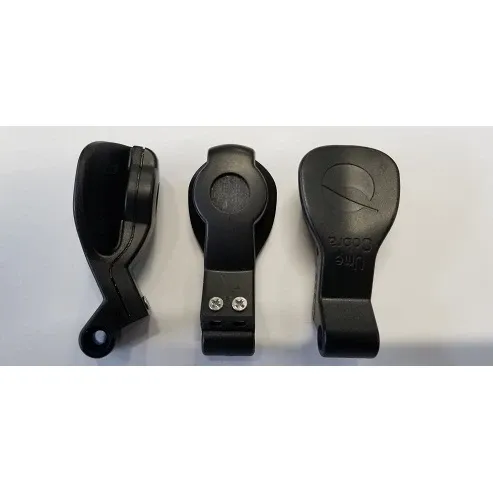
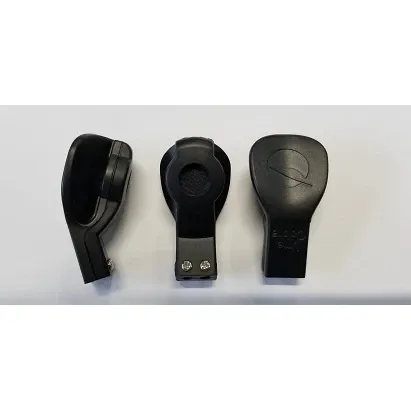
The range splits three ways. The 5 Ω dynamic is the direct M-87/M-101 replacement for military-standard intercom systems; the 150 Ω dynamic serves systems specified at 150 Ω; and the Turbo amplified electret is built for civil helicopter intercoms running a U-174 plug, which covers MSA Gallet, Alpha Eagle and EVO helmets. Check the intercom documentation, or send us the aircraft type and helmet model and we will tell you which one it takes.
Swivel or plug-in
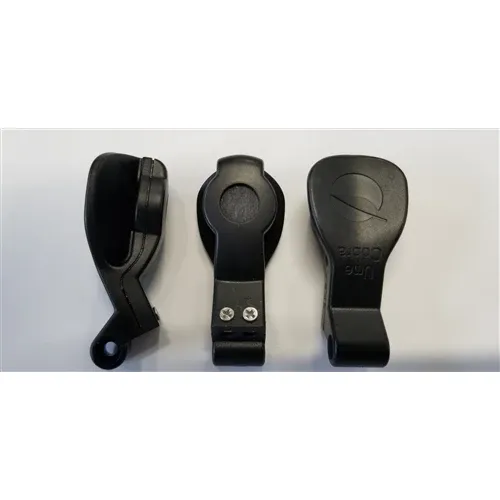
Once impedance is settled, the mount is the only choice left. Helmets with a fixed boom cord take the plug-in version; everything else takes the swivel mount, which lets the boom be positioned and then pushed out of the way. Both the 5 Ω and the 150 Ω dynamic microphones exist in both mounts for exactly that reason, at the same price either way.
Headsets for the aircraft
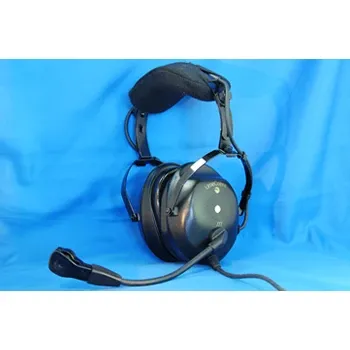
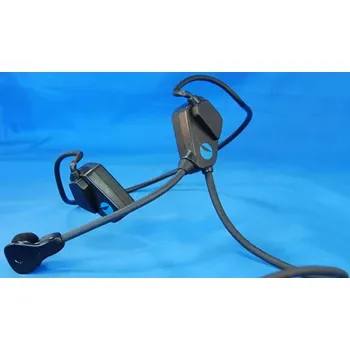
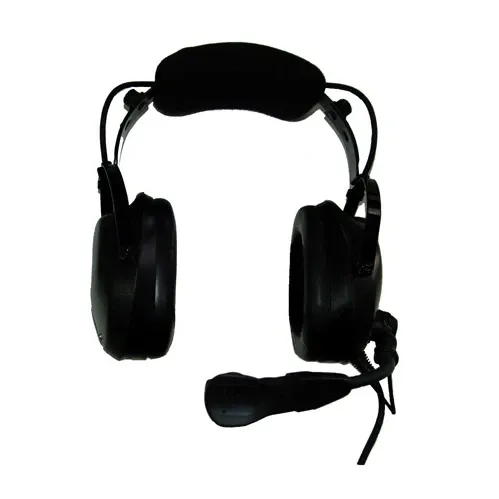
Where a helmet is not worn, the Aviator 777 carries the same patented noise-cancelling boom into a full ANR headset. The 777 PRO adds in-ear gel speakers inside the closed domes, so hearing protection works in two layers rather than one, which earns its keep on long sectors in a loud cabin. For noise past what any earcup handles, the bone-conduction headset routes audio through the temples: full hearing protection stays in and the radio still gets through.
The ground side of the same technology
Ops desks, hangars and training rooms are a different problem built on the same microphone. The theBoom E weighs 25 g and uses an audio-waveguide earphone; the E Turbo is retuned for smartphones, where automatic gain control normally defeats a noise-cancelling microphone. Pro2 and Pro3 are the dual over-ear options for workshops and ops rooms, the W and X run Bluetooth, and the Bug adapter makes a wired E wireless without replacing it.
NVQ is an authorised theBoom dealer and can source any current theBoom or UmeVoice product, including mounts for helmets not listed here. Operators equipping a whole crew get a written quotation, and the range can be added to a company catalogue through Organisation Solutions so crew order their own.