Aviation life jackets for helicopter crews
Explore constant-wear aviation life jackets, aircrew vests and compatible survival accessories for helicopter pilots, crew members and specialist operations. Product approval, configuration and suitability must be verified against the specific aircraft, operation and regulatory requirement.
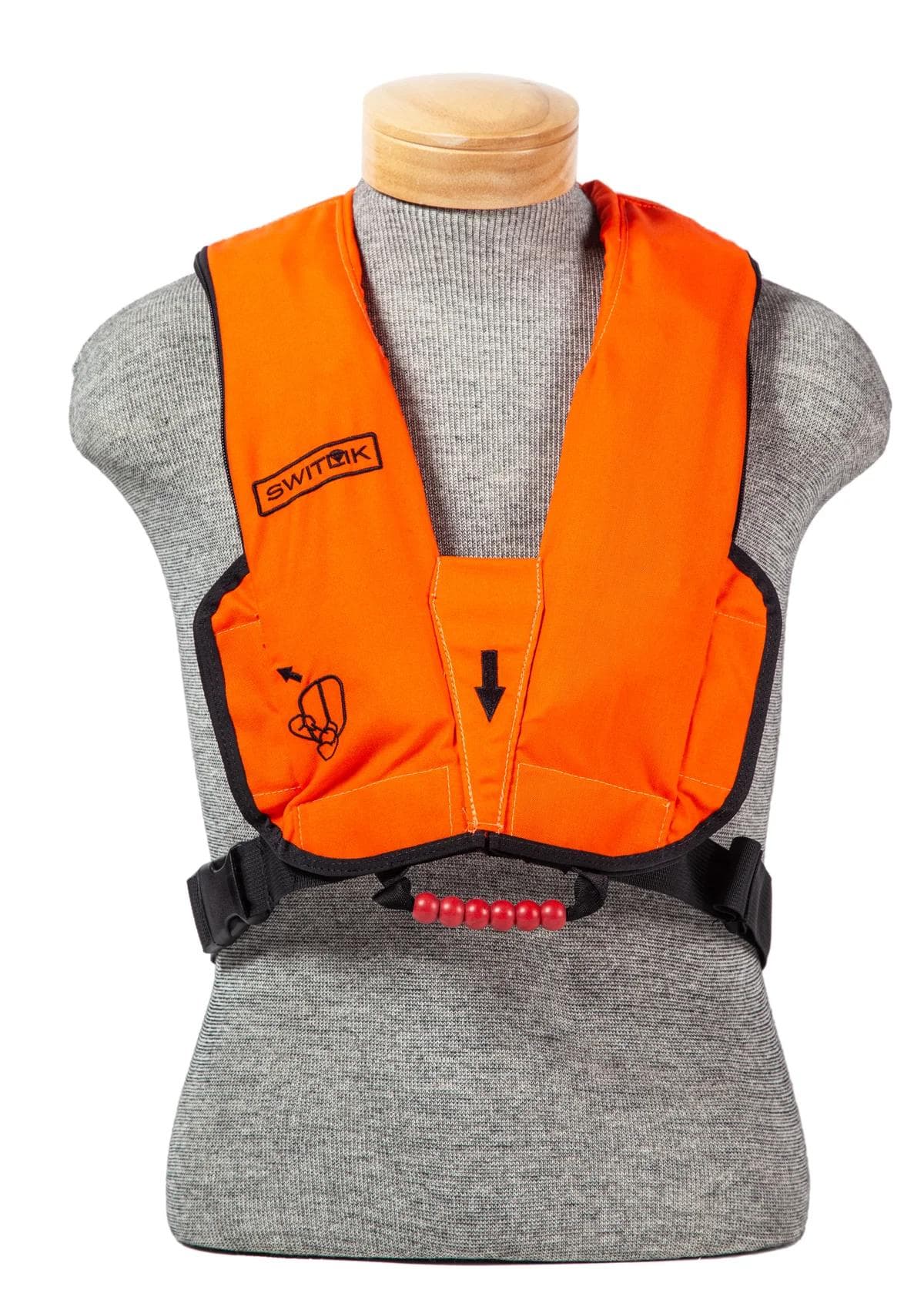
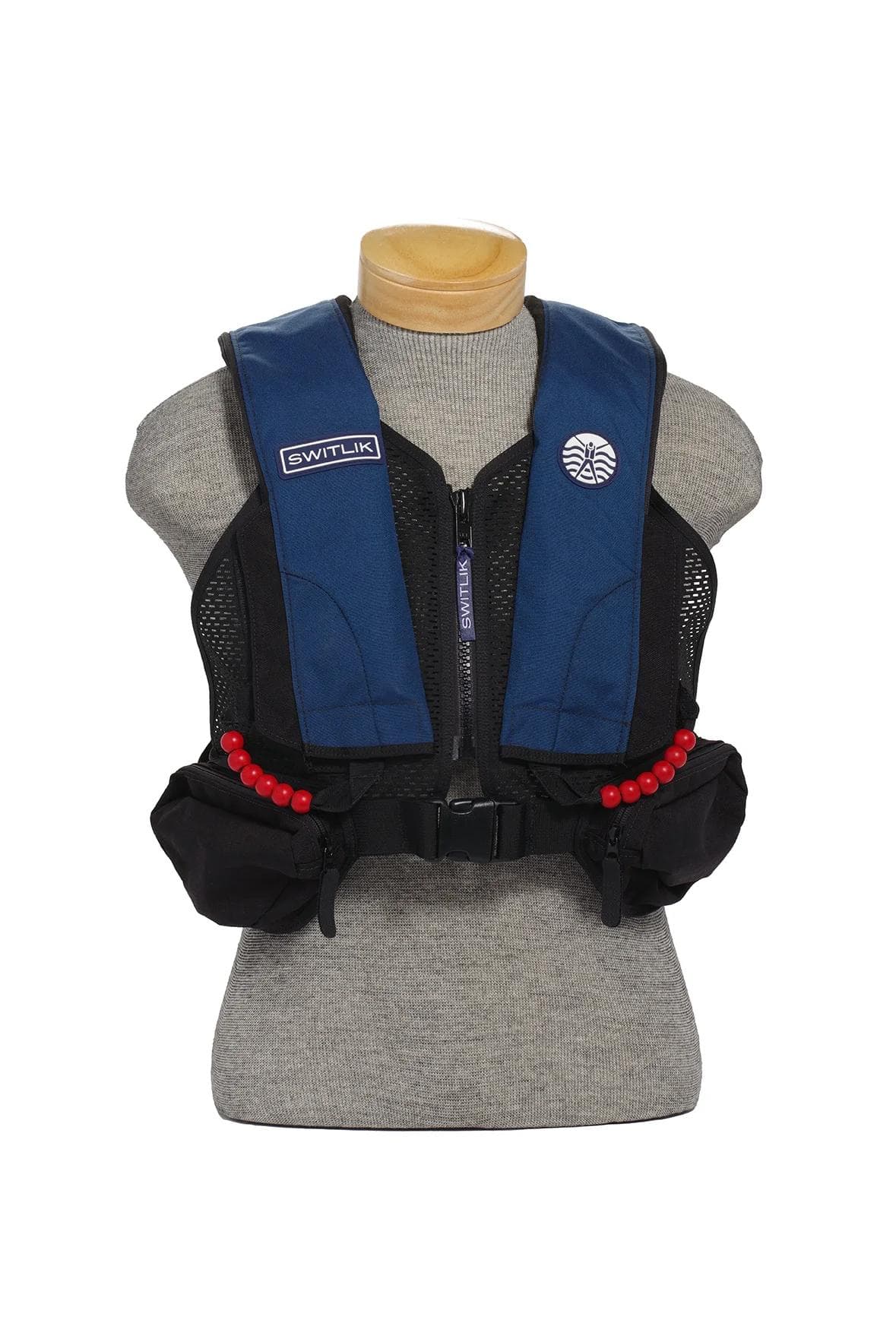
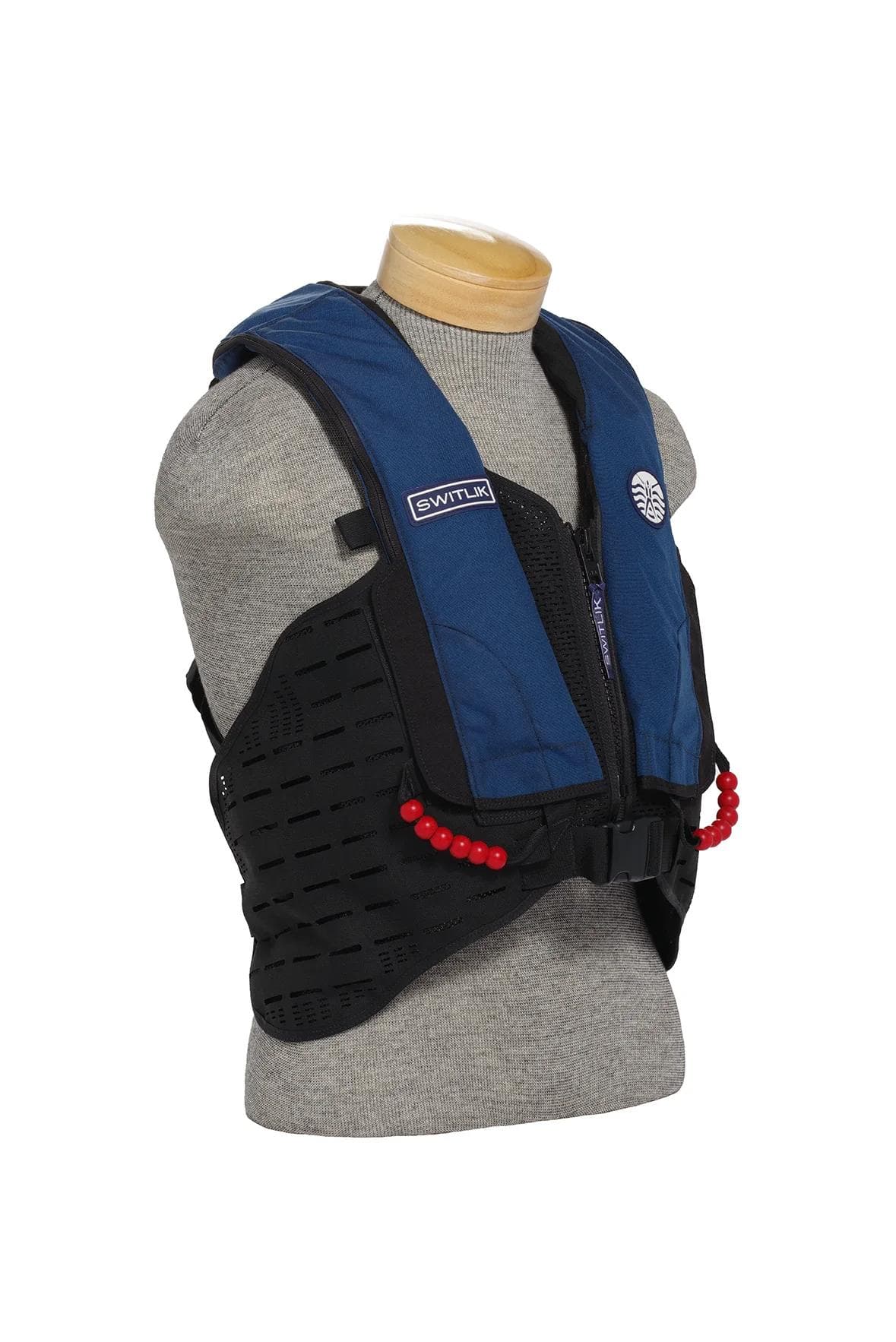
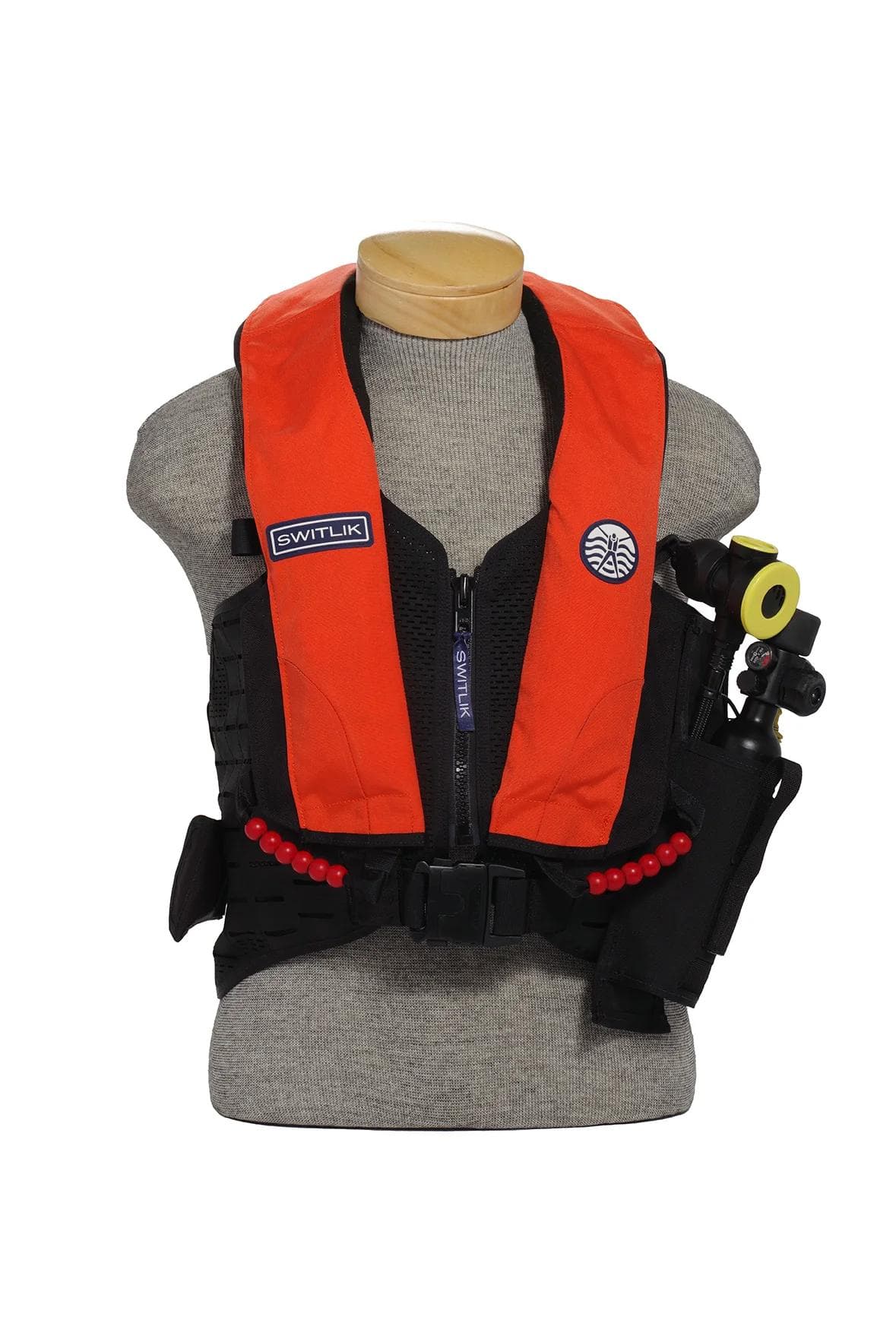
Constant-wear aviation life vests
Constant-wear or passenger
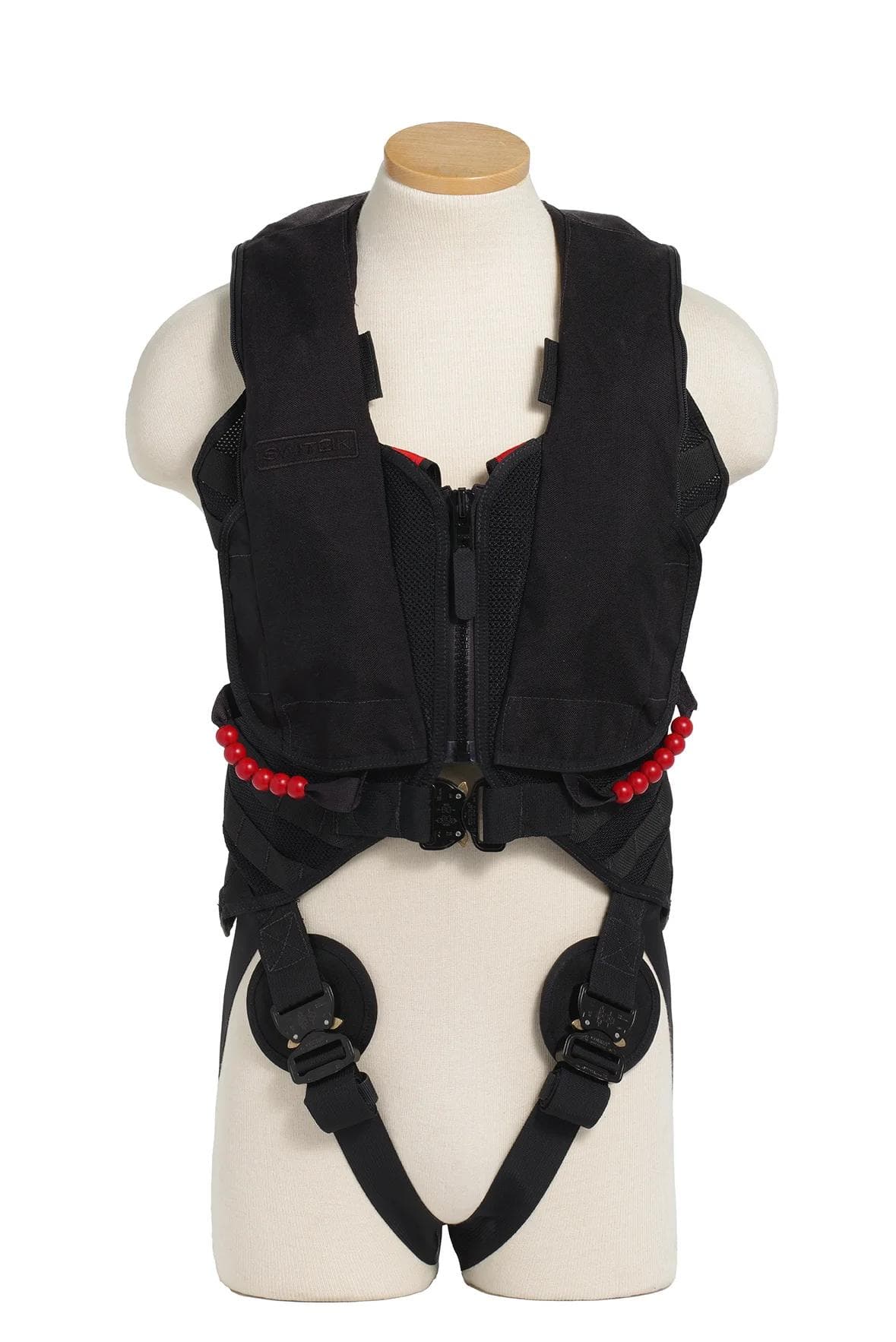
An aircrew vest and a passenger vest solve different problems. A constant-wear vest stays on for the whole sortie, so its bulk, its cut and where the hardware sits decide whether a crew member can still work in it; the X-Back range is shaped around that, with twin cells and a back profile that clears a seat. The Aviator is the low-profile option for pilots and passengers who stay seated for long periods. A vest uncomfortable enough to come off mid-flight has no approval worth discussing.
Approvals belong to the variant, not the range
The Switlik vests here carry different approvals: TSO-C13d on the X-Back Basic and the Tac-X Air, TSO-C13F on the Aviator, ETSO 2C504 on the X-Back MOLLE+. Those do not substitute for one another, and an approval never carries across from a similar-looking model in the same family. Confirm which one your operation requires, then ask us for the documentation covering the exact part number you intend to buy. We send it as a matter of course, because no configuration should enter service on an assumption.
MOLLE, lifting straps, and what hangs off a vest
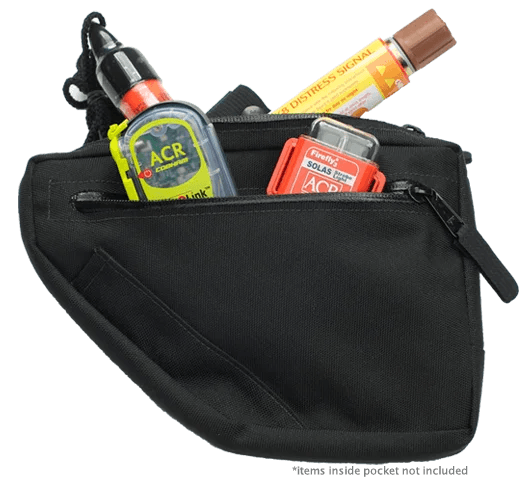
What a vest has to carry varies more by role than by operator. The X-Back MOLLE uses laser-cut attachment points for role equipment; the MOLLE+ adds a spray hood, a strobe and lifting hardware; the Tac-X Air runs angled MOLLE with COBRA buckles and lifting straps. Lifting straps deserve a deliberate decision rather than a default, since they are what a hoist operator actually recovers someone by.
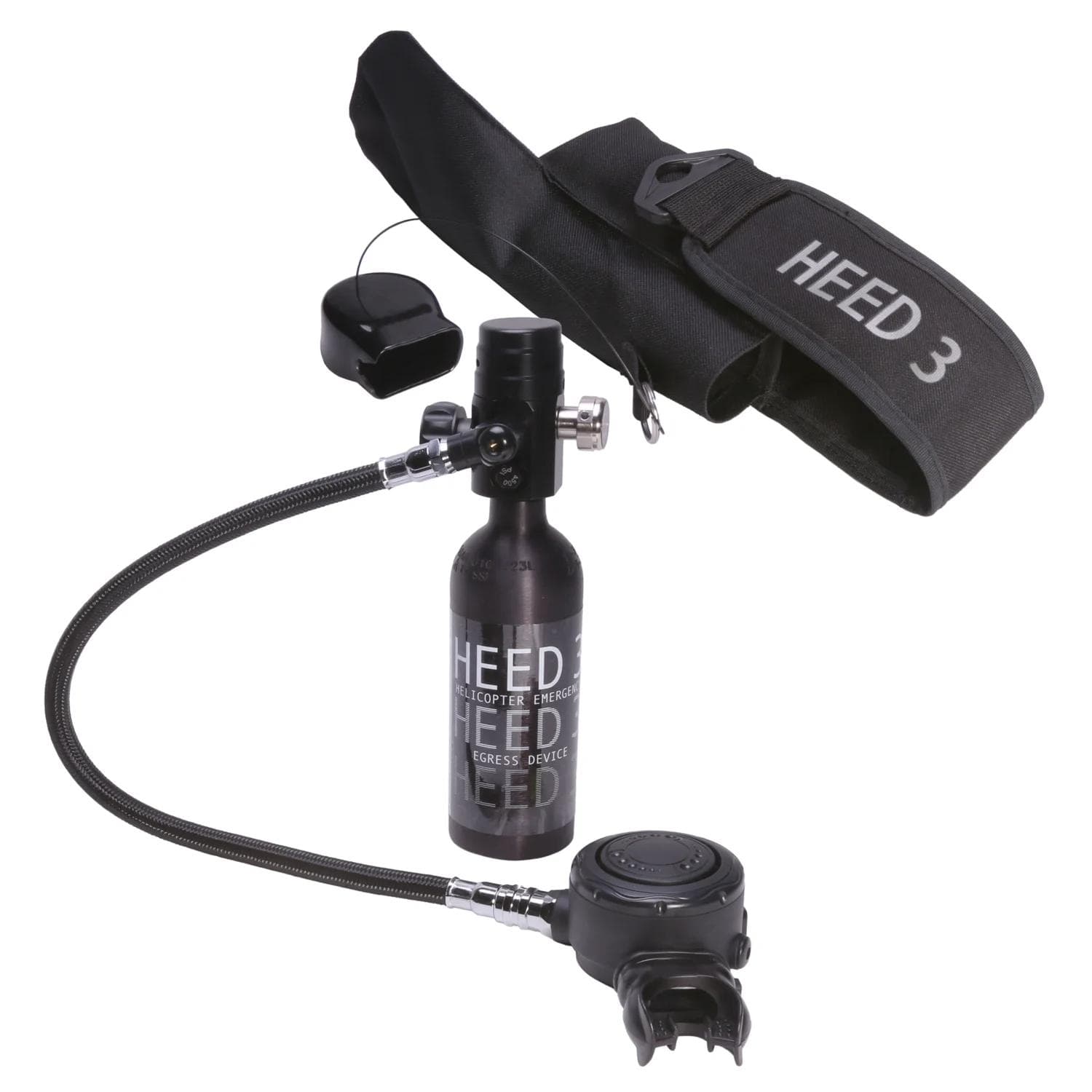
Emergency breathing is a separate decision again. HEED 3 bottles, CA-EBS hose sets and holsters fit compatible vests, and whether your operation needs them follows from water temperature, flight profile and your own regulatory requirement rather than from the vest.
It has to work over the suit
A vest is never worn on its own. It sits over a flight suit or a survival suit, often with a harness over that again, and the stack has to be sized together rather than item by item. Tell us the suit, the roles and whether a harness is in the picture, and the quotation comes back configured for that combination.